Cytomegalovirus ICD 10 Code Update

Cytomegalovirus ICD 10 Code Update

2025 ICD-10-CM Diagnosis Code B25.9

Cytomegaloviral disease, unspecified

B25.9 is a billable/specific ICD-10-CM code that can be used to indicate a diagnosis for reimbursement purposes.

  •     The 2025 edition of ICD-10-CM B25.9 became effective on October 1, 2024.
  •     This is the American ICD-10-CM version of B25.9 – other international versions of ICD-10 B25.9 may differ.


The following code(s) above B25.9 contain annotation back-references

that may be applicable to B25.9:

A00-B99 Certain infectious and parasitic diseases

B25 Cytomegaloviral disease

Approximate Synonyms

  • Cmv chorioretinitis
  • Cytomegaloviral retinitis
  • Cytomegalovirus (cmv) infection
  • Cytomegalovirus (cmv) infection, disseminated
  • Cytomegalovirus (cmv) lesion, ulcerative
  • Cytomegalovirus chorioretinitis
  • Cytomegalovirus infection
  • Cytomegalovirus retinitis
  • Disseminated cytomegalovirus infection
  • Ulcerative cytomegalovirus lesion

Clinical Information

  • Cytomegalovirus is a herpesvirus infection caused by cytomegalovirus. Healthy individuals generally do not produce symptoms. However, the infection may be life-threatening in affected immunocompromised patients. The virus may cause retinitis, esophagitis, gastritis, and colitis. Morphologically, it is characterized by the presence of intranuclear inclusion bodies.
  • Cytomegalovirus (cmv) is a virus found around the world. It is related to the viruses that cause chickenpox and infectious mononucleosis (mono). Between 50 percent and 80 percent of adults in the United States have had a cmv infection by age 40. Once cmv is in a person’s body, it stays there for life. Most people with cmv don’t get sick. But infection with the virus can be very serious in babies and people with weak immune systems. If a woman gets cmv when she is pregnant, she can pass it on to her baby. Cmv does not harm most babies. But some develop lifelong disabilities.cmv is spread through close contact with body fluids. You should use good hygiene, including proper hand washing, to avoid catching or spreading the virus. Most people with cmv don’t require treatment. If you have a weakened immune system, your doctor may prescribe antiviral medicine. Centers for Disease Control and Prevention.
  • Infection with cytomegalovirus, characterized by enlarged cells bearing intranuclear inclusions. Infection may be in almost any organ, but the salivary glands are the most common site in children, as are the lungs in adults.

ICD-10-CM B25.9 is grouped within Diagnostic Related Group(s) (MS-DRG v42.0):

  • 865 Viral illness with mcc
  • 866 Viral illness without mcc
  • 974 Hiv with major related condition with mcc
  • 975 Hiv with major related condition with cc
  • 976 Hiv with major related condition without cc/mcc

Convert B25.9 to ICD-9-CM

Code History

  •     2016 (effective 10/1/2015): New code (first year of non-draft ICD-10-CM)
  •     2017 (effective 10/1/2016): No change
  •     2018 (effective 10/1/2017): No change
  •     2019 (effective 10/1/2018): No change
  •     2020 (effective 10/1/2019): No change
  •     2021 (effective 10/1/2020): No change
  •     2022 (effective 10/1/2021): No change
  •     2023 (effective 10/1/2022): No change
  •     2024 (effective 10/1/2023): No change
  •     2025 (effective 10/1/2024): No change

Code annotations containing back-references to B25.9:

  •     Type 1 Excludes: B34
  •     Type 2 Excludes: B10

Diagnosis Index entries containing back-references to B25.9:


Cytomegalovirus infection B25.9

Disease, diseased – see also Syndrome

  •         cytomegalic inclusion (generalized) B25.9
  •         cytomegaloviral B25.9

inclusion B25.9

salivary gland B25.9

salivary gland or duct K11.9

  •             inclusion B25.9
  •             virus B25.9

Infection, infected, infective (opportunistic) B99.9

  •         cytomegalovirus, cytomegaloviral B25.9

Virus, viral – see also condition

  •         cytomegalovirus B25.9


Reimbursement claims with a date of service on or after October 1, 2015 require the use of ICD-10-CM codes.

If you need more information about Cytomegalovirus ICD 10 Code updates or just want to learn more about medical coding and HIM solutions from Coding & Billing Solutions, contact us today.


Myasthenia Gravis ICD 10 Code Update

Myasthenia Gravis ICD 10 Code Update

2025 ICD-10-CM Diagnosis Code G70.00

Myasthenia gravis without (acute) exacerbation

G70.00 is a billable/specific ICD-10-CM code that can be used to indicate a diagnosis for reimbursement purposes.

The 2025 edition of ICD-10-CM G70.00 became effective on October 1, 2024.

This is the American ICD-10-CM version of G70.00 – other international versions of ICD-10 G70.00 may differ.

Applicable To Myasthenia gravis NOS

The following code(s) above G70.00 contain annotation back-references

that may be applicable to G70.00:

G00-G99  Diseases of the nervous system

G70  Myasthenia gravis and other myoneural disorders

Approximate Synonyms

  • Myasthenia gravis
  • Myasthenia gravis without exacerbation
  • Myasthenia gravis, ocular
  • Ocular myasthenia

Clinical Information

  • Myasthenia Gravis is a chronic autoimmune neuromuscular disorder characterized by skeletal muscle weakness. It is caused by the blockage of the acetylcholine receptors at the neuromuscular junction.
  • Myasthenia Gravis is a disease in which antibodies made by a person’s immune system prevent certain nerve-muscle interactions. It causes weakness in the arms and legs, vision problems, and drooping eyelids or head. It may also cause paralysis and problems with swallowing, talking, climbing stairs, lifting things, and getting up from a sitting position. The muscle weakness gets worse during activity, and improves after periods of rest.
  • Myasthenia Gravis is a disorder of neuromuscular transmission characterized by weakness of cranial and skeletal muscles. Autoantibodies directed against acetylcholine receptors damage the motor endplate portion of the neuromuscular junction, impairing the transmission of impulses to skeletal muscles. Clinical manifestations may include diplopia, ptosis, and weakness of facial, bulbar, respiratory, and proximal limb muscles. The disease may remain limited to the ocular muscles. Thymoma is commonly associated with this condition. (Adams et al., Principles of Neurology, 6th ed, p1459)
  • Myasthenia Gravis is a disease characterized by progressive weakness and exhaustibility of voluntary muscles without atrophy or sensory disturbance and caused by an autoimmune attack on acetylcholine receptors at the neuromuscular junction.
  • Myasthenia gravis is disease that causes weakness in the muscles under your control. It happens because of a problem in communication between your nerves and muscles. Myasthenia gravis is an autoimmune disease. Your body’s own immune system makes antibodies that block or change some of the nerve signals to your muscles. This makes your muscles weaker.common symptoms are trouble with eye and eyelid movement, facial expression and swallowing. But it can also affect other muscles. The weakness gets worse with activity, and better with rest..there are medicines to help improve nerve-to-muscle messages and make muscles stronger. With treatment, the muscle weakness often gets much better. Other drugs keep your body from making so many abnormal antibodies. There are also treatments which filter abnormal antibodies from the blood or add healthy antibodies from donated blood. Sometimes surgery to take out the thymus gland helps.for some people, myasthenia gravis can go into remission and they do not need medicines. The remission can be temporary or permanent.if you have myasthenia gravis, it is important to follow your treatment plan. If you do, you can expect your life to be normal or close to it.

ICD-10-CM G70.00 is grouped within Diagnostic Related Group(s) (MS-DRG v42.0):

056 Degenerative nervous system disorders with mcc

057 Degenerative nervous system disorders without mcc

Convert G70.00 to ICD-9-CM

Code History

  • 2016 (effective 10/1/2015): New code (first year of non-draft ICD-10-CM)
  • 2017 (effective 10/1/2016): No change
  • 2018 (effective 10/1/2017): No change
  • 2019 (effective 10/1/2018): No change
  • 2020 (effective 10/1/2019): No change
  • 2021 (effective 10/1/2020): No change
  • 2022 (effective 10/1/2021): No change
  • 2023 (effective 10/1/2022): No change
  • 2024 (effective 10/1/2023): No change
  • 2025 (effective 10/1/2024): No change

Diagnosis Index entries containing back-references to G70.00:

  • Erb-Goldflam disease or syndrome G70.00
  • Goldflam-Erb disease or syndrome G70.00
  • Myasthenia G70.9

gravis G70.00

pseudoparalytica G70.00

  • Paralysis, paralytic (complete) (incomplete) G83.9

asthenic bulbar G70.00

bulbospinal G70.00

Syndrome – see also Disease

Hoppe-Goldflam G70.00

pseudoparalytica G70.00

Reimbursement claims with a date of service on or after October 1, 2015 require the use of ICD-10-CM codes.

If you need more information about Myasthenia Gravis ICD 10 Code updates or just want to learn more about medical coding and HIM solutions from Coding & Billing Solutions, contact us today.

Skin Cancer ICD 10 Code Update

2025 ICD-10-CM Diagnosis Code C44.9

Other and unspecified malignant neoplasm of skin, unspecified

  • 9 should not be used for reimbursement purposes as there are multiple codes below it that contain a greater level of detail.
  • Short description: Other and unsp malignant neoplasm of skin, unspecified
  • The 2025 edition of ICD-10-CM C44.9 became effective on October 1, 2024.
  • This is the American ICD-10-CM version of C44.9 – other international versions of ICD-10 C44.9 may differ.

The following code(s) above C44.9 contain annotation back-references that may be applicable to C44.9:

  • C00-D49
  • Neoplasms
  • C44
  • Other and unspecified malignant neoplasm of skin

Approximate Synonyms

  • Basal cell carcinoma of skin
  • Cancer of the skin
  • Cancer of the skin, adenocarcinoma
  • Cancer of the skin, basal cell
  • Cancer of the skin, squamous cell
  • Cancer, dermatofibrosarcoma protuberans
  • Cancer, skin, not melanoma
  • Dermatofibrosarcoma protuberans
  • Extramammary paget’s disease of skin
  • Extramammary pagets of skin
  • Malignant neoplasm of skin
  • Microcystic adnexal carcinoma
  • Muir torre syndrome w malignant sebaceous neoplasm
  • Primary adenocarcinoma of skin
  • Primary malignant neoplasm of skin, excluding melanoma
  • Sebaceous adenocarcinoma
  • Sebaceous carcinoma
  • Squamous cell carcinoma of skin


Clinical Information

  • A primary or metastatic tumor involving the skin. Primary malignant skin tumors most often are carcinomas (either basal cell or squamous cell carcinomas that arise from cells in the epidermis) or melanomas that arise from pigment-containing skin melanocytes. Metastatic tumors to the skin include carcinomas and lymphomas.
  • Cancer that forms in the tissues of the skin. There are several types of skin cancer. Skin cancer that forms in melanocytes (skin cells that make pigment) is called melanoma. Skin cancer that forms in the lower part of the epidermis (the outer layer of the skin) is called basal cell carcinoma. Skin cancer that forms in squamous cells (flat cells that form the surface of the skin) is called squamous cell carcinoma. Skin cancer that forms in neuroendocrine cells (cells that release hormones in response to signals from the nervous system) is called neuroendocrine carcinoma of the skin. Most skin cancers form in older people on parts of the body exposed to the sun or in people who have weakened immune systems.
  • Skin cancer is the most common form of cancer in the United States. The two most common types are basal cell cancer and squamous cell cancer. They usually form on the head, face, neck, hands and arms. Another type of skin cancer, melanoma, is more dangerous but less common.

Anyone can get skin cancer, but it is more common in people who

  • spend a lot of time in the sun or have been sunburned
  • have light-colored skin, hair and eyes
  • have a family member with skin cancer
  • are over age 50

You should have your doctor check any suspicious skin markings and any changes in the way your skin looks. Treatment is more likely to work well when cancer is found early. If not treated, some types of skin cancer cells can spread to other tissues and organs. nih: national cancer institute

Code History
2016 (effective 10/1/2015): New code (first year of non-draft ICD-10-CM)
2017 (effective 10/1/2016): No change
2018 (effective 10/1/2017): No change
2019 (effective 10/1/2018): No change
2020 (effective 10/1/2019): No change
2021 (effective 10/1/2020): No change
2022 (effective 10/1/2021): No change
2023 (effective 10/1/2022): No change
2024 (effective 10/1/2023): No change
2025 (effective 10/1/2024): No change

Reimbursement claims with a date of service on or after October 1, 2015 require the use of ICD-10-CM codes.

If you need more information about Thyroid Nodule ICD 10 code updates or just want to learn more about medical coding and HIM solutions from Coding & Billing Solutions, contact us today.

Sheri Hovan of Coding & Billing Solutions Featured in Lehigh Valley Style

We are thrilled to share that Sheri Hovan, the visionary Founder and President of Coding & Billing Solutions, has been featured in Lehigh Valley Style’s 2025 Faces of the Valley. For ten years running, Faces of the Valley has put the focus on local professionals, innovators and entrepreneurs who aim for the highest standards and strive to stand out from their competition. Sheri is one of those portraits of success who proudly call the Lehigh Valley her home and this well-deserved recognition shines a spotlight on her role as a true industry leader in the fields of medical coding, auditing, billing, Clinical Documentation Improvement (CDI), and health information management (HIM).

With over 35 years of hands-on experience in healthcare revenue cycle management, Sheri has held a variety of leadership roles across hospital systems, gaining deep insight into the operational intricacies that drive compliance and financial performance. Fueled by a passion for accuracy, accountability, and innovation, Sheri launched Coding & Billing Solutions (CBS) with one goal in mind: to provide hospitals, health systems, and physician practices with an elite partner in revenue integrity.

Under her leadership, CBS has grown into a nationally respected company, known for its meticulous attention to quality, 100% U.S.-based team, and around-the-clock client support. Sheri has built a culture of responsiveness—she and her executive team are available 24/7/365 to their clients, ensuring that questions are answered, problems are solved, and compliance remains airtight.

As the healthcare landscape evolves, so does CBS. Sheri is currently leading the company into the next frontier of medical coding by integrating artificial intelligence and emerging technologies to enhance accuracy, increase efficiency, and reduce operational costs—without compromising CBS’s commitment to excellence.

Sheri’s recognition in Lehigh Valley Style Faces is a testament to her unwavering commitment to quality, innovation, and service. We are proud to celebrate this achievement and even prouder to continue supporting healthcare providers across the country with the highest standard in coding, auditing, and revenue cycle expertise.

Stay tuned for more exciting developments as Sheri and the CBS team continue setting new benchmarks in the world of HIM and medical coding.


Powered by Grey Matter Direct

Traumatic Brain Injury ICD 10 Code Update

2025 Traumatic Brain Injury ICD-10-CM Diagnosis Code S06.2X9D

Diffuse traumatic brain injury with loss of consciousness of unspecified duration, subsequent encounter

  • 2X9D is a billable/specific ICD-10-CM code that can be used to indicate a diagnosis for reimbursement purposes.
  • Short description: Diffuse TBI w loss of consciousness of unspecified duration, subs
  • The 2025 edition of ICD-10-CM S06.2X9D became effective on October 1, 2024.
  • This is the American ICD-10-CM version of S06.2X9D – other international versions of ICD-10 S06.2X9D may differ.

The following code(s) above S06.2X9D contain annotation back-references that may be applicable to S06.2X9D:

  • S00-T88 – Injury, poisoning and certain other consequences of external causes
  • S00-S09 – Injuries to the head
  • S06 – Intracranial injury
  • 2 – Diffuse traumatic brain injury

Present On Admission

  • 2X9D is considered exempt from POA reporting.

ICD-10-CM S06.2X9D is grouped within Diagnostic Related Group(s) (MS-DRG v42.0):

  • 949 Aftercare with cc/mcc
  • 950 Aftercare without cc/mcc

Convert S06.2X9D to ICD-9-CM

Code History

  • 2016 (effective 10/1/2015): New code (first year of non-draft ICD-10-CM)
  • 2017 (effective 10/1/2016): No change
  • 2018 (effective 10/1/2017): No change
  • 2019 (effective 10/1/2018): No change
  • 2020 (effective 10/1/2019): No change
  • 2021 (effective 10/1/2020): No change
  • 2022 (effective 10/1/2021): No change
  • 2023 (effective 10/1/2022): No change
  • 2024 (effective 10/1/2023): No change
  • 2025 (effective 10/1/2024): No change

Reimbursement claims with a date of service on or after October 1, 2015 require the use of ICD-10-CM codes.

If you need more information about Traumatic Brain Injury ICD 10 code updates or just want to learn more about medical coding and HIM solutions from Coding & Billing Solutions, contact us today.


Celebrating Pioneering Women in Medicine on International Women’s Day

Women have made tremendous strides in the field of medicine over the past century. In spite of historical barriers and discrimination, women have contributed significantly to the medical field and made remarkable achievements. This blog post will highlight some of the most notable achievements of women in medicine as the Coding & Billing Solutions Team celebrates International Women’s Day 2024!
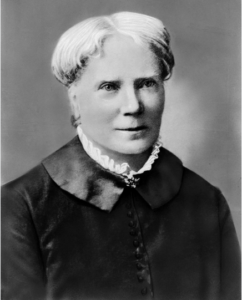
Elizabeth Blackwell: The First Female Physician
Elizabeth Blackwell was the first woman to receive a medical degree in the United States. She earned her degree in 1849 from Geneva Medical College in New York, despite strong opposition from both faculty and students. Blackwell faced numerous challenges as a woman in a male-dominated field, including discrimination from medical institutions and difficulty securing clinical training opportunities. However, she persevered and went on to become a successful physician and a trailblazer for women in medicine.

In 1857, she co-founded the New York Infirmary for Indigent Women and Children, providing much-needed medical care to underserved populations while also creating opportunities for female physicians and nurses. Blackwell was also a strong advocate for public health reform and women’s medical education, helping to establish the London School of Medicine for Women in 1874. Her work paved the way for future generations of women in medicine, breaking barriers that had long excluded them from the profession.
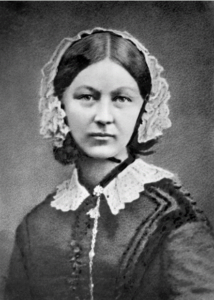
Florence Nightingale: The Founder of Modern Nursing
Florence Nightingale is widely regarded as the founder of modern nursing. Born in 1820 into a wealthy British family, she defied societal expectations by pursuing a career in healthcare, believing it to be her true calling. Nightingale gained international recognition during the Crimean War (1853–1856) for her groundbreaking work in improving the unsanitary conditions of military hospitals. Sent with a team of nurses to the British base hospital in Scutari, she was appalled by the filthy environment, lack of basic hygiene, and high mortality rates. Through rigorous sanitation practices, improved ventilation, and better nutrition, she dramatically reduced death rates from infections and preventable diseases, earning the nickname “The Lady with the Lamp” for her nightly rounds tending to wounded soldiers.

Beyond her wartime contributions, Nightingale was a visionary in public health and nursing education. In 1860, she established the Nightingale Training School for Nurses at St. Thomas’ Hospital in London, setting professional standards for nursing and emphasizing discipline, hygiene, and compassionate patient care. The school became a model for nursing education worldwide, influencing hospital practices in Europe, North America, and beyond.

Nightingale was also a pioneer in using statistical analysis to advocate for healthcare reform. She presented data in innovative ways, such as pie charts and diagrams, to illustrate the impact of sanitation on mortality rates. Her work laid the foundation for evidence-based nursing and public health policies.

Her influence extended far beyond her lifetime, shaping modern nursing as a respected and essential profession. Through her writings, including Notes on Nursing: What It Is and What It Is Not, she educated generations of nurses and health practitioners. Florence Nightingale’s legacy continues to inspire healthcare professionals worldwide, embodying the principles of dedication, innovation, and patient-centered care.
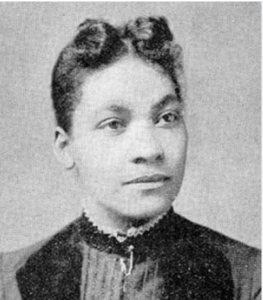
Dr. Rebecca Lee Crumpler: The First African American Female Physician
Dr. Rebecca Lee Crumpler was the first African American woman to receive a medical degree in the United States, breaking racial and gender barriers in the field of medicine. She earned her degree in 1864 from the New England Female Medical College in Boston, an institution dedicated to training women in medicine at a time when female physicians were rare. Dr. Crumpler’s admission and graduation were remarkable achievements, as the college awarded medical degrees to only a small number of women, and she was the first and only Black woman to earn her degree from the institution before it closed in 1873.

Throughout her career, Dr. Crumpler faced significant discrimination and prejudice, both as a woman and as an African American physician in a deeply segregated society. Despite these challenges, she remained dedicated to improving the health of her patients, particularly underserved communities. After the Civil War, she moved to Richmond, Virginia, to work with the Freedmen’s Bureau, providing medical care to formerly enslaved African Americans who had little access to healthcare. She treated patients who suffered from malnutrition, disease, and the lasting effects of enslavement, advocating for proper hygiene, nutrition, and preventive care.

Returning to Boston, Dr. Crumpler continued her medical work, primarily serving women and children in poor communities. She was deeply committed to public health and sought to educate her patients on disease prevention and overall well-being. In 1883, she published A Book of Medical Discourses, one of the first medical texts written by an African American. The book provided guidance on maternal and child health, reflecting her lifelong commitment to improving healthcare for women and children, especially those from disadvantaged backgrounds.

Dr. Crumpler’s pioneering efforts helped pave the way for future generations of Black women in medicine, inspiring change in a profession that had long excluded both women and people of color. Her resilience, dedication, and contributions to public health remain an essential part of American medical history.
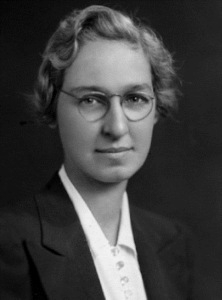
Dr. Virginia Apgar: Inventor of the Apgar Score
Dr. Virginia Apgar was a pioneering anesthesiologist, medical researcher, and the inventor of the Apgar Score, a revolutionary system used to assess the health of newborn babies immediately after birth. Born in 1909, she pursued a career in medicine at a time when women faced significant barriers in the field. She earned her medical degree from Columbia University’s College of Physicians and Surgeons in 1933 and initially trained as a surgeon. However, due to the limited opportunities for women in surgery, she shifted her focus to anesthesiology, becoming one of the first female physicians in the specialty. She later became the first woman to head a department at Columbia-Presbyterian Medical Center, leading the division of anesthesiology.

Dr. Apgar’s most significant contribution to medicine came in 1952 when she developed the Apgar Score, a quick and systematic way to evaluate newborns’ health in the critical minutes after birth. The score assesses five key criteria:

  • Appearance (skin color)
  • Pulse (heart rate)
  • Grimace (reflex irritability)
  • Activity (muscle tone)
  • Respiration (breathing effort)

Each category is scored from 0 to 2, with a total possible score of 10. This simple yet effective method allows healthcare providers to determine whether a newborn requires immediate medical intervention. Before the Apgar Score, many cases of neonatal distress went unnoticed, leading to high infant mortality rates.

The Apgar Score was quickly adopted worldwide and remains a standard practice in obstetric and neonatal care. It has played a critical role in reducing infant mortality by helping doctors and nurses swiftly identify and address potential health issues in newborns.

Beyond her work in neonatal health, Dr. Apgar was also a passionate advocate for maternal and infant care. Later in her career, she worked for the March of Dimes, dedicating her efforts to birth defect prevention and public health education. She also earned a master’s degree in public health from Johns Hopkins University, broadening her impact in the medical community.

Dr. Apgar’s legacy extends beyond the score that bears her name—she inspired generations of women in medicine and helped transform the fields of anesthesiology, obstetrics, and neonatology. Her contributions continue to save countless lives and improve newborn care worldwide.

Dr. Rosalind Franklin: Pioneering Researcher in DNA Structure
Dr. Rosalind Franklin was a British chemist and X-ray crystallographer whose pioneering research played a crucial role in the discovery of the double-helix structure of DNA. Born in 1920 in London, Franklin excelled in science from an early age and earned a doctorate in physical chemistry from the University of Cambridge. She specialized in X-ray diffraction techniques, a method used to determine the atomic and molecular structure of crystals, which later became the foundation of her groundbreaking work on DNA.

In 1951, Franklin joined King’s College London, where she conducted research on the structure of deoxyribonucleic acid (DNA). Using X-ray diffraction, she captured high-resolution images of DNA fibers, including “Photograph 51”, which provided the clearest evidence that DNA had a helical structure. Her meticulous data analysis revealed critical insights into the molecule’s symmetry, density, and overall shape.

However, Franklin’s contributions were not fully recognized during her lifetime. Without her knowledge, Maurice Wilkins, a colleague at King’s College, showed “Photograph 51” to James Watson and Francis Crick at the University of Cambridge. This image and Franklin’s unpublished research notes became instrumental in helping Watson and Crick construct their famous DNA double-helix model in 1953. Though Watson, Crick, and Wilkins received the Nobel Prize in Physiology or Medicine in 1962, Franklin was not acknowledged, as the prize is not awarded posthumously.

Beyond DNA, Franklin made significant contributions to virology and coal chemistry. After leaving King’s College, she continued her research at Birkbeck College, where she studied the molecular structures of viruses, including the tobacco mosaic virus and polio virus, advancing the field of structural virology.

Dr. Rosalind Franklin passed away in 1958 at the age of 37 from ovarian cancer, possibly linked to prolonged exposure to X-ray radiation during her research. It was only in later years that her vital role in DNA’s discovery gained wider recognition, and she is now celebrated as a pioneer whose work laid the foundation for modern molecular biology. Today, numerous awards, research institutions, and scientific programs bear her name in honor of her lasting impact on science.

Dr. Jane C. Wright: Pioneer of Chemotherapy
Dr. Jane C. Wright was a trailblazing physician and researcher whose pioneering work in chemotherapy revolutionized cancer treatment. Born in 1919, she came from a distinguished medical family—her father, Dr. Louis T. Wright, was one of the first African American graduates of Harvard Medical School and a leader in medical research. Inspired by his legacy, she pursued a medical career and earned her M.D. from New York Medical College in 1945.

At a time when cancer treatment was largely limited to surgery and radiation, Dr. Wright conducted groundbreaking research on chemotherapy, helping to establish it as a viable treatment for cancer. In the 1940s and 1950s, chemotherapy was still experimental, and many doctors were skeptical of its potential. However, Dr. Wright’s innovative work at the Harlem Hospital Cancer Research Foundation, where she collaborated with her father, led to major advancements in the field. She studied the effects of various chemotherapy drugs on different types of cancer and developed new techniques for administering chemotherapy, including the use of catheters to deliver drugs directly into tumors, improving treatment precision and patient outcomes.

Throughout her career, Dr. Wright’s research contributed to the development of several effective chemotherapy agents, some of which remain foundational in cancer treatment today. Her studies helped expand the use of chemotherapy for patients with breast cancer, leukemia, lymphoma, and skin cancer.

In addition to her scientific contributions, Dr. Wright shattered racial and gender barriers in medicine. In 1971, she became the first woman elected president of the American Association for Cancer Research (AACR), a prestigious position that highlighted her influence in the oncology community. She was also a co-founder of the American Society of Clinical Oncology (ASCO) and served on the National Cancer Advisory Board, advising the U.S. government on cancer research and treatment strategies.

Dr. Wright was also a dedicated mentor and educator, serving as a professor of surgery and head of cancer chemotherapy research at New York Medical College, where she trained and inspired future generations of oncologists.

Her impact on chemotherapy and cancer treatment is immeasurable, and her pioneering efforts helped establish the field of medical oncology as we know it today. Dr. Wright’s legacy continues to inspire scientists and physicians, particularly women and African Americans in medicine, proving that innovation and perseverance can lead to life-saving advancements.
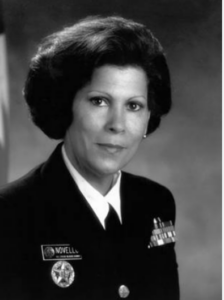
Dr. Antonia Novello: First Female and Hispanic U.S. Surgeon General
Dr. Antonia Novello made history as the first female and first Hispanic Surgeon General of the United States, serving from 1990 to 1993 under President George H.W. Bush. A trailblazer in the medical and public health fields, Dr. Novello dedicated her career to addressing health disparities affecting underserved populations, particularly women, children, and minorities.

Born in 1944 in Puerto Rico, Novello overcame significant health challenges in her childhood, including a congenital intestinal condition that required multiple surgeries. Her experiences as a patient fueled her passion for medicine and a commitment to improving healthcare accessibility. She earned her M.D. from the University of Puerto Rico School of Medicine in 1970 and later specialized in pediatrics and nephrology. After further training at the University of Michigan and Johns Hopkins University, she joined the U.S. Public Health Service Commissioned Corps, where she focused on public health policy and advocacy.

As Surgeon General, Dr. Novello was a strong advocate for child health, launching initiatives to combat pediatric HIV/AIDS, childhood immunization gaps, and tobacco advertising targeted at young people. She played a key role in raising awareness of the dangers of smoking, particularly efforts to curb the marketing of cigarettes to children by tobacco companies.

She was also a champion for minority health, working to improve healthcare access for Hispanic and African American communities, and addressing issues like poor prenatal care, domestic violence, and the rising rates of underage drinking and drug use. Under her leadership, the Office of Minority Health expanded its efforts to bridge healthcare disparities and promote preventive medicine in marginalized communities.

Beyond her work in public health policy, Dr. Novello was a leading advocate for organ donation and transplantation, helping to increase awareness and promote organ donor programs nationwide. She emphasized the importance of educating the public about organ donation, particularly within communities of color, where donation rates were historically lower due to cultural misconceptions and lack of awareness.

After her tenure as Surgeon General, Dr. Novello continued her public health work, serving as the Commissioner of Health for the State of New York from 1999 to 2006, where she focused on issues such as obesity, mental health, and domestic violence. Her lifelong commitment to public service has earned her numerous awards, including recognition from the American Medical Association and the National Institutes of Health.

Dr. Novello’s groundbreaking achievements as a Latina woman in medicine paved the way for future generations of minority healthcare professionals and public health leaders. Her legacy continues to inspire efforts to make healthcare more equitable and accessible for all.

Dr. Mae Jemison: First African American Woman in Space
Dr. Mae Jemison is a physician, engineer, and former NASA astronaut who made history in 1992 as the first African American woman to travel to space. Aboard the Space Shuttle Endeavour (STS-47), she conducted experiments on weightlessness, bone cell research, and human adaptation to space, contributing to advancements in space medicine. Before joining NASA, Jemison earned her M.D. from Cornell University and worked as a Peace Corps medical officer in West Africa, focusing on public health and disease prevention. Her diverse background in medicine, engineering, and international health made her a standout candidate when she was selected for NASA’s astronaut program in 1987.

Since leaving NASA, Dr. Jemison has been a leading advocate for STEM education and diversity in science and technology. She founded the Dorothy Jemison Foundation for Excellence, which runs programs like “The Earth We Share” to inspire young students in science. She also led the 100 Year Starship Project, an initiative exploring the feasibility of interstellar travel. As a sought-after speaker, she encourages greater inclusion in STEM fields, emphasizing that space exploration and scientific advancements must be accessible to all. Jemison’s pioneering career continues to inspire future generations of scientists, engineers, and astronauts to break barriers and reach for the stars.

Dr. Jennifer Doudna & Dr. Emmanuelle Charpentier : The “Mother’s” of CRISPR”
While there are many other scientists around the world that have contributed to the discovery of the CRISPR-Cas system, two scientists were the very first researchers who were instrumental in the discovery and adoption of CRISPR as a genome editing tool.

Dr. Jennifer Doudna:
Jennifer Doudna is the biggest household name in the world of CRISPR, and for good reason, she is credited as the one who co-invented CRISPR. Dr. Doudna was among the first scientists to propose that this microbial immunity mechanism could be harnessed for programmable genome editing. This tool has the potential to effectively change the genetic makeup of any organism and fix a near-infinite number of problems. Dr. Doudna’s discovery changed the world of genetic engineering as previous techniques were time-consuming, tedious, and nowhere as convenient as CRISPR.

Dr. Emmanuelle Charpentier
Emmanuelle Charpentier is the co-inventor of CRISPR. Together with Dr. Doudna, Dr. Charpentier was involved in the biochemical characterization of guide RNA and Cas9 enzyme-mediated DNA cleavage.

Her expertise in the fields of microbiology, biochemistry, and genetics helped pave the way for the discovery of CRISPR; work that was necessary for CRISPR to be discovered (as that discovery occurred working first with bacteria).

In 2020, Dr. Doudna and Dr. Charpentier received a Nobel prize in Chemistry for the discovery of CRISPR.

Women have made remarkable achievements in medicine throughout history, despite facing numerous challenges and barriers. From the first female physician to the first African American woman in space, these women have made significant contributions to the medical field and helped to improve the health and well-being of countless individuals. The accomplishments of these very special women in medicine serve as inspiration to us all.


Powered by Grey Matter Direct. Grey Matter Direct is a digital marketing agency in Mount Laurel, New Jersey, that specializes in website development, search engine optimization, email marketing, Google Ads and more.

The 5 Most Common Medical Billing Challenges in Healthcare

Medical billing is more critical than ever as healthcare practices grapple with mounting challenges that threaten their financial stability. From administrative burdens and compliance hurdles to data management issues, the medical billing process requires constant attention to ensure efficient reimbursement and optimal revenue cycle management (RCM).

In this article, we’ll explore the 5 most pervasive challenges in medical billing, introduce actionable solutions provided by skilled human coding and billing teams like those at Coding & Billing Solutions, and discuss how expertise in traditional approaches can significantly impact financial performance.

For a foundational understanding of medical billing and its distinction from medical coding, visit our related article: The Critical Role of Medical Billing in Healthcare Revenue Cycle Management.

Key Medical Billing Challenges and Solutions

While medical billing is an essential process, it comes with complexities that can hinder financial success. Here’s a closer look at the common challenges and how healthcare providers can overcome them with human expertise:

Challenge #1: Administrative Burden

Medical billing involves numerous tasks, such as managing denials, tracking claims, and communicating with payers. These responsibilities often demand attention to detail, time, and coordination, which can overwhelm existing staff. The problem is compounded by staffing shortages, as 78% of physicians report challenges in hiring and retaining qualified staff.

Solution: Skilled Billing Teams
Medical billing professionals excel in handling complex administrative tasks, providing:

  • Hands-on management of claims: Experienced staff can proactively follow up on claims to reduce the likelihood of denials.
  • Personalized problem-solving: Medical billers can negotiate with payers, address disputes, and find tailored solutions to resolve billing issues.
  • Knowledge of best practices: Experienced staff can identify inefficiencies in current processes and implement improvements.

By investing in well-trained billing teams, practices can reduce administrative burdens and maintain higher levels of accuracy.

 Challenge #2: Compliance with Billing Guidelines and Regulations

Keeping up with evolving regulations is a major hurdle. Each payer has unique requirements, and new billing models like value-based care add layers of complexity. Non-compliance can lead to denials, penalties, or delays in reimbursement.

Solution: Expert Coding and Billing Professionals
Experienced coders and billers play a crucial role in ensuring compliance by:

  • Staying updated on regulations: Trained professionals regularly review payer guidelines and industry changes to ensure accurate claims submission.
  • Ensuring accuracy in coding: Coders with deep expertise verify that claims meet payer requirements and use the correct codes for diagnoses and procedures.
  • Handling complex cases: Human teams can review and manage difficult claims that automated systems might flag incorrectly or fail to resolve.

Their expertise helps practices avoid costly errors while ensuring adherence to payer guidelines and federal regulations.

 Challenge #3: Data Management and Quality Control

Accurate billing relies on clean, organized data from diverse sources, including clinical documentation, patient demographics, and insurance details. Poor data quality or inaccessible information can delay claims and lead to denials.

Solution: Manual Data Review and Validation
Traditional billing teams excel in managing and validating data by:

  • Conducting thorough reviews: Human teams manually verify data accuracy and completeness before claims submission.
  • Cross-checking patient information: Skilled staff can confirm that all necessary details—such as insurance eligibility—are current and accurate.
  • Identifying and addressing errors: By carefully reviewing documentation, billing teams can correct errors that might result in denied claims.

This hands-on approach ensures that the billing process runs smoothly, minimizing the risk of denials due to data discrepancies.

Challenge #4: Rising Costs and Declining Reimbursements

The healthcare industry faces increasing financial pressures due to rising costs and declining reimbursement rates. Practices must maximize revenue collection to remain viable.

Solution: Revenue Recovery Specialists
Experienced billing teams can address financial challenges by:

  • Performing detailed accounts receivable analysis: Specialists identify unpaid claims and prioritize follow-up efforts to recover outstanding balances.
  • Reducing rework rates: Skilled professionals focus on “first-pass” claim success, minimizing the need for resubmissions.
  • Conducting regular audits: Billing teams can review claims and payments to ensure every service provided is reimbursed accurately.

Human expertise adds a layer of accountability that helps practices recover more revenue while reducing unnecessary costs.

Challenge #5: Patient Payment Collections

With patients taking on more financial responsibility through high-deductible health plans, practices often struggle to collect payments efficiently.

Solution: Patient-Focused Billing Teams
Billing professionals improve patient collections by:

  • Providing personalized assistance: Staff can work directly with patients to explain bills, answer questions, and set up payment plans tailored to their financial situation.
  • Enhancing transparency: Experienced teams ensure patients receive clear, itemized billing statements that are easy to understand.
  • Proactively managing follow-ups: Dedicated staff can remind patients about upcoming due dates and follow up on overdue payments with professionalism and care.

This personalized approach builds trust with patients, improving collections and fostering satisfaction.

Ready to Empower Your Billing Team?

Medical billing is more than just a financial process—it’s the lifeline of your practice. Partnering with skilled medical billing professionals like the Team at Coding & Billing Solutions will streamline operations, reduce denials, and ensure your practice receives the revenue it’s owed.

Contact a Coding & Billing Solutions expert today to learn how our team of experienced professionals can support your practice with accurate, compliant, and patient-focused billing services.


Powered by Grey Matter Direct. Grey Matter Direct is a digital marketing agency in Mount Laurel, New Jersey, that specializes in website development, search engine optimization, email marketing, Google Ads and more.

7 Hot Trends In Medical Coding & Billing for 2025

The medical coding and billing industry is evolving rapidly, driven by advancements in technology, regulatory updates, and changing patient care models. Staying ahead of these trends is critical for healthcare providers and billing professionals to optimize operations and improve financial performance. Below is an in-depth exploration of seven key trends that the expert team at Coding & Billing Solutions have identified that are reshaping medical coding and billing in 2025.

1. Integration of Artificial Intelligence (AI) and Automation

Artificial Intelligence (AI) and automation are transforming the medical billing process, making it faster, more accurate, and less prone to errors.

By reducing claim denials and ensuring compliance with coding standards, AI can significantly enhance revenue cycle management. To streamline our client’s entry into AI, Coding & Billing Solutions is proud to announce its partnership with Reasint Artificial Intelligencein adopting this revolutionary technology.

CBS and Reasint have changed the game, providing intelligent production coding tools, automation, documentation analysis, and hyper-transparency and flexibility to streamline medical coding and billing like never before.

Reasint’s breakthrough has come in their new, proprietary, patent-pending machine intelligence system: ARNI. ARNI stands for “Automated Reasoning via Natural Intelligence”. Unlike common AI programs, ARNI isn’t generative; it doesn’t fill in the blanks even if that means providing the wrong answer. Instead, it mimics the thought processes and decision-making skills of an experienced medical coder, ensuring precision and reliability. Healthcare organizations investing in these technologies will see better financial outcomes and improved patient experiences.

2. Expansion of Telehealth Services

Telehealth has become a permanent fixture in the healthcare landscape. As more patients opt for virtual care, billing systems must adapt to accommodate:

  • New CPT codes for telemedicineThe 2025 updates include codes for audio-only and video consultations, making it easier to bill for various virtual care modalities.
  • Complexity in compliance: Billing for telehealth services often varies by payer and jurisdiction. Providers must navigate these nuances to avoid claim denials.
  • Documentation requirements: Accurate and detailed documentation is crucial to support telehealth claims, including time spent, modality used, and patient consent.

With telehealth expected to grow, staying updated on billing requirements is essential to maximize reimbursements.

3. Emphasis on Cybersecurity

As medical billing becomes increasingly digital, protecting sensitive patient data is more critical than ever. Cyberattacks on healthcare systems have surged, making robust cybersecurity measures a top priority. Key strategies include:

  • Encryption of sensitive data: Ensuring that data transmitted between providers, payers, and patients is secure.
  • Compliance with regulations: Adhering to HIPAA and other data protection laws to avoid penalties.
  • Proactive threat monitoring: Using AI-driven security tools to detect and respond to potential breaches in real-time.

Investing in cybersecurity not only protects data but also builds trust with patients and payers.

4. Shift Toward Value-Based Care

The transition from fee-for-service models to value-based care (VBC) is reshaping medical billing. VBC focuses on rewarding providers for patient outcomes rather than the volume of services rendered. Billing professionals must adapt to:

  • New quality-based reimbursement codes that reflect patient health outcomes and care efficiency.
  • Bundled payment models where a single payment covers all services for a specific condition or procedure.
  • Enhanced data analytics to track and report performance metrics tied to reimbursements.

Embracing VBC requires close collaboration between clinicians, coders, and billing teams to align documentation and coding with quality care standards.

5. Adoption of Blockchain Technology

Blockchain is emerging as a game-changer in medical billing by creating transparent and secure transaction records. Its potential benefits include:

  • Fraud prevention: Immutable records reduce the risk of fraudulent claims.
  • Faster payment processing: Blockchain eliminates intermediaries, enabling quicker settlements between providers and payers.
  • Improved interoperability: Secure sharing of billing data among healthcare entities without compromising privacy.

While still in its early stages, blockchain adoption is expected to grow as more organizations recognize its benefits.

6. Focus on Patient-Centric Billing

With patients bearing a larger share of healthcare costs, there is a growing emphasis on improving the billing experience. Patient-centric billing involves:

  • Transparent pricing: Providing clear cost estimates upfront to avoid surprises.
  • Flexible payment options: Offering installment plans, online payment portals, and digital wallets for convenience.
  • Simplified statements: Using plain language and clear layouts to help patients understand their bills.

By addressing patient concerns and making the billing process less stressful, providers can enhance satisfaction and encourage timely payments.

7. Data Analytics for Revenue Cycle Optimization

Data analytics is becoming indispensable to CBS’s clients in optimizing revenue cycles. Advanced analytics tools help:

  • Identify denial trends: By analyzing claim rejections, providers can implement corrective measures to reduce future denials.
  • Improve cash flow: Predictive analytics forecast revenue trends and highlight areas for improvement.
  • Monitor performance: Dashboards provide real-time insights into key metrics such as claim turnaround times and payment rates.

Data-driven decision-making empowers billing teams to be proactive rather than reactive, ensuring financial health and operational efficiency.

As the medical coding and billing industry continues to evolve, embracing these trends is essential for success in 2025 and beyond. From leveraging AI and blockchain to prioritizing cybersecurity and patient satisfaction, healthcare organizations that adapt to these changes will not only improve their financial performance but also enhance the overall care experience for patients. The team at Coding & Billing Solutions is dedicated to helping medical billing professionals navigate the complexities of this dynamic field with confidence. Contact us today!


Powered by Grey Matter Direct. Grey Matter Direct is a digital marketing agency in Mount Laurel, New Jersey, that specializes in website development, search engine optimization, email marketing, Google Ads and more.

Thyroid Nodule ICD 10 Code Update

2025 ICD-10-CM Diagnosis Code E04.1 Thyroid Nodule ICD 10 Code Update

Nontoxic single thyroid nodule

  • E04.1 is a billable/specific ICD-10-CM code that can be used to indicate a diagnosis for reimbursement purposes.
  • The 2025 edition of ICD-10-CM E04.1 became effective on October 1, 2024.
  • This is the American ICD-10-CM version of E04.1 – other international versions of ICD-10 E04.1 may differ.

Applicable To:

  • Colloid nodule (cystic) (thyroid)
  • Nontoxic uninodular goiter
  • Thyroid (cystic) nodule NOS

The following code(s) above E04.1 contain annotation back-references that may be applicable to E04.1:

  • E00-E89
  • Endocrine, nutritional and metabolic diseases
  • E04
  • Other nontoxic goiter

Approximate Synonyms:

  • Cyst of thyroid
  • Dominant nodule of thyroid
  • Dominant thyroid nodule
  • Functioning thyroid nodule
  • Non-toxic uninodular goiter
  • Thyroid cyst
  • Thyroid goiter, nontoxic, uninodular
  • Thyroid nodule
  • Thyroid nodule, functioning

ICD-10-CM E04.1 is grouped within Diagnostic Related Group(s) (MS-DRG v42.0):

  • 011 Tracheostomy for face, mouth and neck diagnoses or laryngectomy with mcc
  • 012 Tracheostomy for face, mouth and neck diagnoses or laryngectomy with cc
  • 013 Tracheostomy for face, mouth and neck diagnoses or laryngectomy without cc/mcc
  • 643 Endocrine disorders with mcc
  • 644 Endocrine disorders with cc
  • 645 Endocrine disorders without cc/mcc

Convert E04.1 to ICD-9-CM

Thyroid Nodule ICD 10 Code History:

  • 2016 (effective 10/1/2015): New code (first year of non-draft ICD-10-CM)
  • 2017 (effective 10/1/2016): No change
  • 2018 (effective 10/1/2017): No change
  • 2019 (effective 10/1/2018): No change
  • 2020 (effective 10/1/2019): No change
  • 2021 (effective 10/1/2020): No change
  • 2022 (effective 10/1/2021): No change
  • 2023 (effective 10/1/2022): No change
  • 2024 (effective 10/1/2023): No change
  • 2025 (effective 10/1/2024): No change

Diagnosis Index entries containing back-references to E04.1:

  • Colloid nodule E04.1 (of thyroid) (cystic)
  • Cyst (colloid) (mucous) (simple) (retention)

thyroid E04.1 (gland)

  • Goiter (plunging) (substernal) E04.9

nontoxic E04.9

uninodular E04.1

uninodular (nontoxic) E04.1

  • Nodule(s)

thyroid (cold) (gland) (nontoxic) E04.1

colloid E04.1 (cystic)

  • Struma – see also Goiter

nodosa (simplex) E04.9

uninodular E04.1

  • Thyroid (gland) (body) – see also condition

nodule E04.1 (cystic) (nontoxic) (single)

Reimbursement claims with a date of service on or after October 1, 2015 require the use of ICD-10-CM codes.

If you need more information about Thyroid Nodule ICD 10 code updates or just want to learn more about medical coding and HIM solutions from Coding & Billing Solutions, contact us today.

CPT Codes for Telemedicine 2025

Telehealth has become a permanent fixture in the healthcare landscape. As more patients opt for virtual care, billing systems must adapt to accommodate:

New CPT codes for telemedicine 2025:  there are updates for CPT codes for telemedicine that include codes for audio-only and video consultations, making it easier to bill for various virtual care modalities.

Besides new and updated CPT codes, there is increased complexity in compliance. Billing for telehealth services often varies by payer and jurisdiction. Providers must navigate these nuances to avoid claim denials.

Accurate and detailed documentation is crucial to support telehealth claims, including time spent, modality used, and patient consentIn 2025, medical coding guidelines for telehealth are expected to continue evolving alongside regulatory changes and technological advancements. Here are some general guidelines and trends your healthcare organization can anticipate based on current practices:

  1. CPT Codes: Familiarize yourself with the latest Current Procedural Terminology (CPT) codes specifically designated for telehealth services. Codes for virtual visits, remote patient monitoring, and other telehealth-related services may be updated.
  2. Modifiers: Use the appropriate modifiers, such as 95 for telehealth services provided via real-time audio and video technology. Ensure you stay updated on any new modifiers introduced.
  3. Documentation Requirements: Thorough documentation is essential. Providers must document the modality of the visit (e.g., audio, video), patient consent, and the specific services rendered during the telehealth encounter.
  4. Patient Location: Be aware of the rules regarding the patient’s location during the telehealth visit. Some payers require the patient to be in specific locations (such as at home, in a healthcare setting, etc.) to qualify for reimbursement.
  5. Coverage Variations: Different insurers may have varying coverage for telehealth services. Ensure you are familiar with the specific policies of Medicare, Medicaid, and private payers.
  6. New Codes for Remote Monitoring: As remote patient monitoring continues to grow, we can anticipate updates in coding guidelines that may introduce new codes for remote services, including patient engagement tools and chronic care management.
  7. Interstate Licensure: Make sure that you are aware of the implications of interstate licensure for telehealth services, especially if coding involves care provided across state lines. This may impact reimbursement eligibility.
  8. Compliance with HIPAA: Ensure that all telehealth practices comply with HIPAA regulations for patient privacy and data security. This is crucial for maintaining trust and ensuring proper coding.
  9. Continuing Education: Stay updated through webinars, coding workshops, and guidelines from organizations like the American Academy of Professional Coders (AAPC) and the American Health Information Management Association (AHIMA).
  10. Feedback Loop: Engage in regular reviews of coding practices and feedback from claims submissions to adapt to ongoing changes and improve accuracy.

In the Evaluation and Management (E/M) section, there are 17 new telemedicine codes (98000-98016), effective Jan. 1, 2025

CPT 2025 will include new codes for audio-only telemedicine visits for new patients (98008-98011) and established patients (98012-98015). These expanded codes will replace the existing telephone-only codes 99441-99443, which CPT 2025 will delete.

New telemedicine code debuting in 2025, 98016 (Brief communication technology-based service (eg, virtual check-in) by a physician or other qualified health care professional who can report evaluation and management services, provided to an established patient, not originating from a related evaluation and management service provided within the previous 7 days nor leading to an evaluation and management service or procedure within the next 24 hours or soonest available appointment, 5-10 minutes of medical discussion). It will replace the existing HCPCS code G2012.

The following are some CPT codes for telehealth services in 2025:

  • 9X091: A new code for a brief virtual check-in encounter
  • 98975: Updated to include digital therapeutic intervention
  • 98976-98978: Revised to include device supply for data access or data transmissions

Other telehealth-related changes in 2025 include:

  • CMS will suspend frequency limitations for subsequent inpatient visits, subsequent nursing facility visits, and critical care consultation services
  • CMS will keep looser direct supervision requirements for audio-visual telehealth services in certain circumstances
  • Providers who perform telehealth services from home can continue to report services under their office address
  • Statutory restrictions on location, site of service, and practitioner type will go back into effect

Commercial health insurance carriers are not subject to the same telemedicine restrictions as Medicare. They may set their own telemedicine reimbursement rates.

CPT New patients:

  • 98000 – Synchronous audio-video visit for the evaluation and management of a new patient, which requires a medically appropriate history and/or examination and straightforward medical decision-making. When using total time on the date of the encounter for code selection, 15 minutes must be met or exceeded
  • 98001 – …which requires a medically appropriate history and/or examination and low medical decision-making. When using total time on the date of the encounter for code selection, 30 minutes must be met or exceeded
  • 98002 – …which requires a medically appropriate history and/or examination and moderate medical decision-making. When using total time on the date of the encounter for code selection, 45 minutes must be met or exceeded
  • 98003 – which requires a medically appropriate history and/or examination and high medical decision-making. When using total time on the date of the encounter for code selection, 60 minutes must be met or exceeded


CPT Established patients:

  • 98004 – Synchronous audio-video visit for the evaluation and management of an established patient, which requires a medically appropriate history and/or examination and straightforward medical decision-making. When using total time on the date of the encounter for code selection, 10 minutes must be met or exceeded.
  • 98005 – … which requires a medically appropriate history and/or examination and low medical decision-making. When using total time on the date of the encounter for code selection, 20 minutes must be met or exceeded
  • 98006 – …which requires a medically appropriate history and/or examination and moderate medical decision-making. When using total time on the date of the encounter for code selection, 30 minutes must be met or exceeded
  • 98007 – … which requires a medically appropriate history and/or examination and high medical decision-making. When using total time on the date of the encounter for code selection, 40 minutes must be met or exceeded.

Before the PHE, the following frequency limitations were in place:

  • Limit of one telehealth visit every three days for subsequent inpatient visits;
  • Limit of one telehealth visit every 14 days for subsequent nursing facility visits; and
  • Limit on critical care consultations to one telehealth visit per day.

CMS proposed to continue to delay through December 31, 2025, before reinstating limitations on the number of times certain services in high-acuity settings may be performed via telehealth. During this time, CMS will continue to evaluate whether the removal of these frequency limitations should be made permanent.

The extension of CMS’s current suspension of frequency limitations applies to the following codes:

  • Subsequent inpatient visit CPT codes 99231, 99232, 99233;
  • Subsequent nursing facility visit CPT codes 99307, 99308, 99309, 99310; and
  • Critical Care Consultation Services HCPCS codes G0508, G0509.


Telehealth Services under the PFS

For CY 2025, CMS proposed to add several services to the Medicare Telehealth Services List on a provisional basis, including demonstration prior to initiation of home International Normalized Ratio (INR) monitoring and caregiver training services. They were proposing to continue the suspension of frequency limitations for subsequent inpatient visits, subsequent nursing facility visits, and critical care consultations for CY 2025. https://www.cms.gov/medicare/coverage/telehealth/list-services

CMS proposed that beginning January 1, 2025, an interactive telecommunications system may include two-way, real-time audio-only communication technology for any telehealth service furnished to a beneficiary in their home if the distant site physician or practitioner is technically capable of using an interactive telecommunications system, but the patient is not capable of, or does not consent to, the use of video technology.

CMS proposed that, through CY 2025, we will continue to permit the distant site practitioner to use their currently enrolled practice location instead of their home address when providing telehealth services from their home.

CMS proposed, for a certain subset of services that are required to be furnished under the direct supervision of a physician or other supervising practitioner, to permanently adopt a definition of direct supervision that allows the physician or supervising practitioner to provide such supervision through real-time audio and visual interactive telecommunications. CMS specifically proposed that the physician or supervising practitioner may provide such virtual direct supervision for services furnished incident to a physician’s service when they are provided by auxiliary personnel employed by the physician and working under his or her direct supervision and for which the underlying HCPCS code has been assigned a PC/TC indicator of office or other outpatient visit for the evaluation and management of an established patient who may not require the presence of a physician or other qualified health care professional. For all other services furnished under the direct supervision of the supervising physician or other practitioner, we are proposing to continue to define “immediate availability” to include real-time audio and visual interactive telecommunications technology only through December 31, 2025.

CMS proposed to continue our current policy to allow teaching physicians to have a virtual presence for purposes of billing for services furnished involving residents in all teaching settings, but only in clinical instances when the service is furnished virtually (for example, a three-way telehealth visit, with the patient, resident, and teaching physician all parties in separate locations) through December 31, 2025. This virtual presence will continue to meet the requirement that the teaching physician be present for the key portion of the service. We are also requesting information to help us consider whether and how best to expand the array of services included under the primary care exception in future rulemaking.

CMS transformed the working definition of “direct supervision” over the course of the public health emergency. The definition was updated in regard to supervision for the following:

  • Diagnostic tests
  • Physician’s services
  • And certain hospital outpatient services

The 2025 Medicare Physician Fee Schedule (MPFS) includes several changes, including: 

  • Conversion factor

The conversion factor for 2025 is proposed to be $32.36, a 2.8% decrease from 2024. This is due to the expiration of the 2.93% increase for 2024, as well as a small budget neutrality adjustment.

  • G2211 complexity add-on code

This code can be paid when the base code is reported on the same day as a preventive service, such as a vaccine administration or annual wellness visit. For CY 2025, CMS proposed to allow payment of the O/O E/M visit complexity add-on code G2211 when the O/O E/M base code is reported by the same practitioner on the same day as an annual wellness visit (AWV), vaccine administration, or any Medicare Part B preventive service furnished in the office or outpatient setting.

  • Telehealth flexibilities

Several telehealth flexibilities implemented during the COVID-19 pandemic will be maintained or extended.

  • Digital mental health treatment

Three new G codes will be established for reporting digital mental health treatment.

  • MIPS performance thresholds

MIPS performance thresholds will be revised.

  • Infectious disease physician services

A new add-on code, HCPCS code GIDXX, was created to describe the intensity and complexity of hospital inpatient or observation care for infectious diseases.

  • Preventive vaccines in RHCs and FQHCs

RHCs and FQHCs will be allowed to bill for Part B preventive vaccines and their administration at the time of service.

  • Direct supervision

Direct supervision will be permitted through real-time audio and visual interactive telecommunications until December 31, 2025.

New Additions to the List of Telehealth Services:

CMS proposed adding certain codes to the Proposed List of Telehealth Services on a provisional basis. The List includes the services that are payable under the Medicare Physician Fee Schedule when furnished via telehealth. No codes are proposed to be added on a permanent basis, but the proposed provisional additions include:

  • HCPS Code G0248 (Home International Normalized Ratio Monitoring)
  • HCPS Code G0011 (PrEP for HIV)
  • HCPS Code G0013 (PrEP for HIV)
  • HCPS Codes GCTD1 – 3 (Caregiver Training In Direct Care Strategies and Techniques)
  • HCPS Codes GCTB1 – 2 (Individual Behavior Management/Modification Caregiver Training)
  • CPT Codes 97550-97552 (Caregiver Training in Strategies To Facilitate Patient Functional Performance in the Home or Community)
  • CPT Codes 96202 – 96203 (Group Behavior Management/Modification Caregiver Training)

No Recognition of New AMA Telemedicine Evaluation and Management (E/M) Services Codes

The American Medical Association (“AMA”) recently revised the CPT Codebook and valued seventeen new codes (9X075 – 9X091) to describe telemedicine Evaluation and Management (“E/M”) services. CMS proposes to decline recognizing and paying for the new codes because they mirror existing office/outpatient E/M codes. For those new codes, CMS also proposes assigning a procedure status indicator of “I” to indicate that there is a more specific code that should be used for Medicare purposes.

If you have any questions about this or other coding issues, please contact the experts at Coding & Billing Solutions.